Perception Is Reality
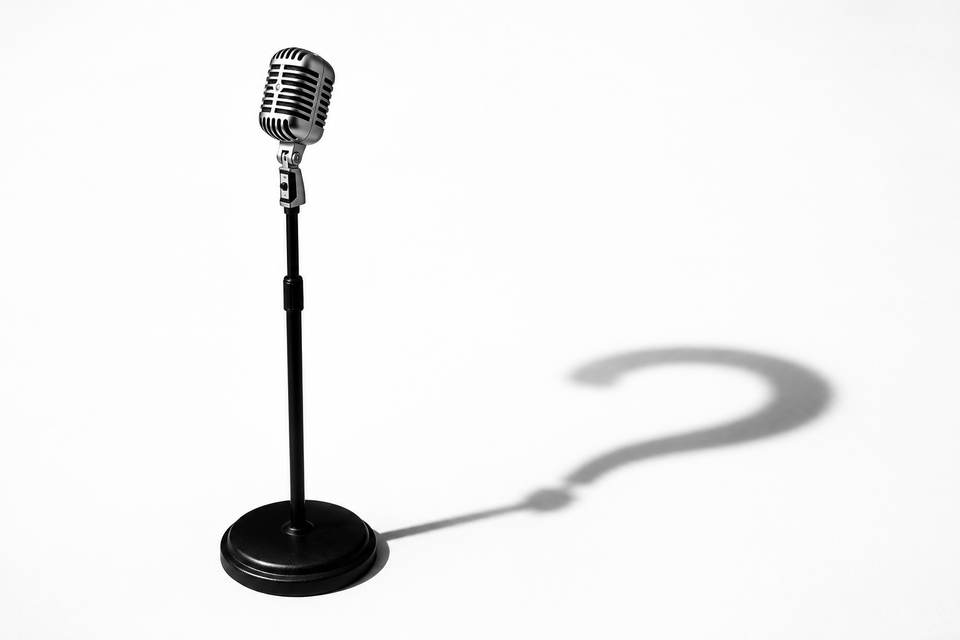
Since it's pride month, I thought it might be a good time to reflect on being a lesbian comedian. It's not something I thought a lot about when I first started in comedy. There was too much else to think about when you are just learning the basics of a difficult art form, such as how to write a joke, how to be on stage, how to hold the microphone, etc. And while I have developed a decent canon of lesbian related jokes, those were mostly a byproduct of the old adage, "write what you know" rather than a conscious or artistic choice.
But now that I have achieved a basic level of proficiency, there is room to explore the interplay between my identity as a lesbian and that of a stand-up comedian. I feel like it is something that is both a privilege and a challenge. Just like I don't want to be seen as a woman scientist as opposed to a scientist, I don't really want to be known as a lesbian comedian. There is a saying in reality TV (and elsewhere) that "perception is reality". Games where eliminated contestants vote for the winner, such as Survivor and Big Brother, all demonstrate this cardinal rule. People will judge you based on what they perceive to be true and the truth ends up being inconsequential. Comedy is a lot like that too. It's less important what artistic choices you are making or the intention behind your jokes and more about how the audience perceives you and interprets your jokes.
To put it bluntly, looking "gay as fuck" means that the audience is immediately clocking my identity and it will therefore be a lens through which they perceive me and interpret my jokes. And there is really little I can do about that. I don't know if it's a bad thing per se. In this day and age, I think audiences want to feel like they get to know the comedian a bit through their material. Is it something I turn into a silent wink and not acknowledge when working on non-queer related material or is it something that I address head on and lean into, accepting that all comedy is somewhat identity driven comedy? I for one really enjoy the wink approach. I think there is just as much humor in what is left unsaid as in what is actually said. But thus far, I have larger acknowledged it with jokes that reveal or rather confirm my identity. However, I think this tension is worth further exploration as I begin to work on building longer sets and think deeper about these issues.
But being a comedian who happens to be a lesbian is also a privilege because it means a lot to me when there are lesbians in the audience who are clearly enjoying my material and are feeling seen. Even though I know the world has come so far from the place it was where I grew up, there still exists a massive amount of hate, ignorance and marginalization in the world. While much of the hate may (sometimes) be less overt, people tend to be their most natural and true selves when hiding behind the anonymity of the internet. And the comments that I see are shocking (although maybe they really shouldn't be) and quite disheartening. That all being said, I know that whenever one is putting yourself out there in a public forum that invites scrutiny and judgement (the basis of stand-up comedy), they are a representative of their community irrespective of their intentions. For that reason, I hope I am and have been positive representation of my community. And while my goal is to make sure everyone in the audience is having a good time and does not feel excluded, I would be lying if I didn't admit to the fact that I take special pride in making my queer audiences laugh and hopefully feel seen.
One important challenge I have is to try and write jokes that poke fun at myself for being a very stereotypical lesbian while not punching down on my own community. I think this is more something I worry about and fear than has actually been an issue in practice. One surprising bit of feedback that I got was that one joke I was developing was actually educational for people outside of the community and it felt like I was giving them a little peek inside a world with which they are unfamiliar. I really took that as a compliment and I hope it's something that I can continue to develop further. But also, I know my gay experience is very narrow and quite different from the younger generation or different letters. I try to take great pains to be true to myself but also not to overstep my role as representative for the community.
These are mostly academic musings about my experience as a gay woman entering the fray of stand-up comedy. For the most part, audiences in Houston, Texas have been quite accepting and down to clown. But there have been times where I have clocked comments that audience members have made about me and I know that no matter what I do, there will always be people in this world for whom my identity will always be an issue. At the end of the day, I am who I am. In my 40s, I am more comfortable and proud of who I am than I have ever been and care little about the people who aren't willing to take the time to get to know me before offering judgement. Comedy is about putting who you are out into the world and seeing what resonates with people. I hope I continue to resonate with the people within my community as well as reach others who are open-minded and willing to just relax, be entertained and learn more about the timeless art of scissoring.
Member discussion